Thriving Homeland · Highland Botanicals
From Local Roots to the World — Origin, Evidence and People in Every Ingredient.
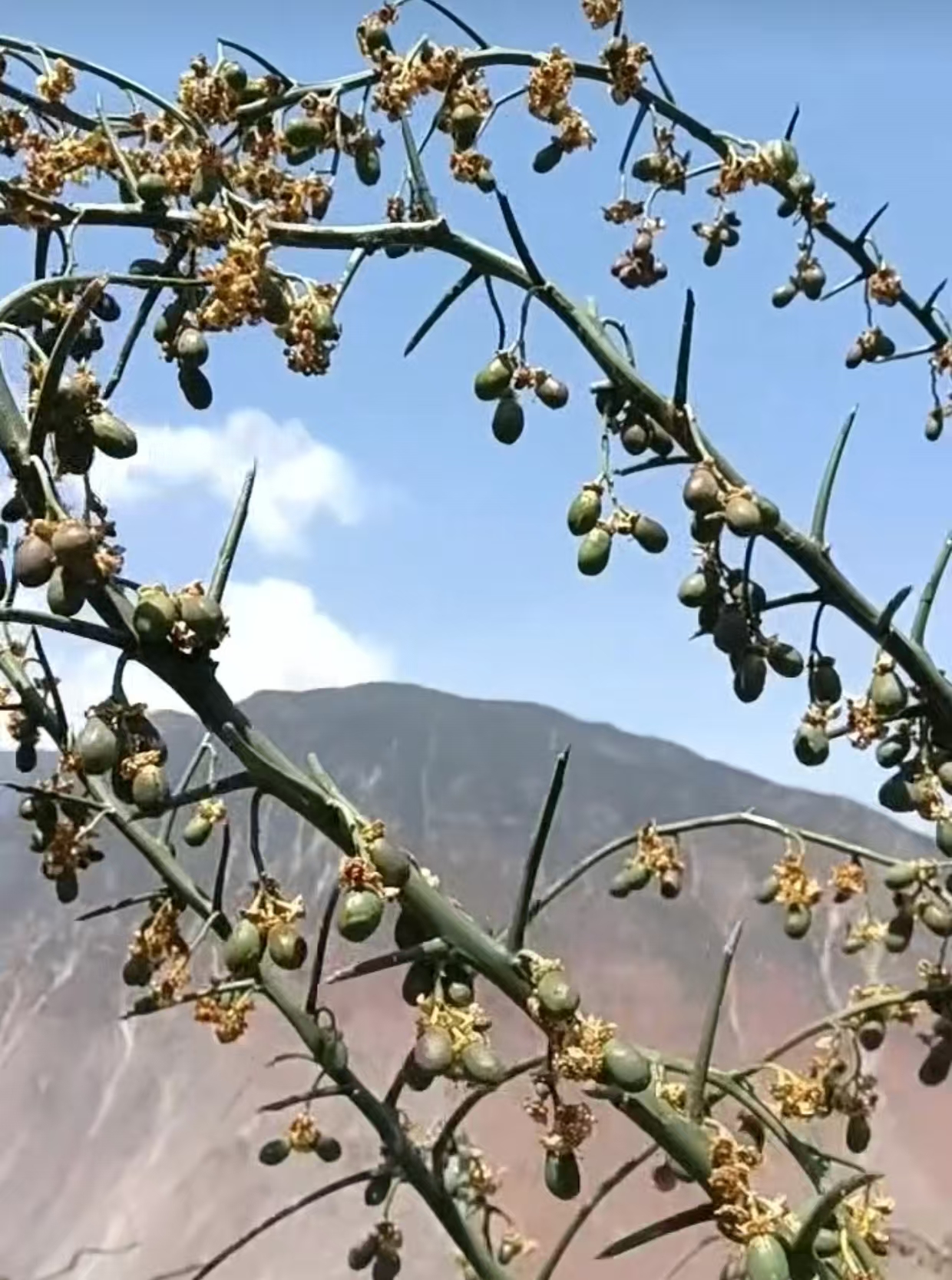
Deep in the mountains of Yulong County, Yunnan, beside the Jinsha River, grows a wild fruit the elders pick with care — Prinsepia utilis (Green Thorn Fruit / Himalayan prinsepia). We are farmers who grew up on this land. In 2025 we came together as the Thriving Homeland cooperative, to turn what the mountain gives — sun, rain, and patience — into things whose origin you can trace and whose claims you can check. From local roots to the world, verified by evidence.
Why Thriving Homeland
Why a cooperative, and why "local roots"?
In Naxi households this oil is a treasure handed down the generations. When a baby was expected, a grandmother would rise early and climb the mountains to find these thorny wild shrubs, picking the ripe purple berries one by one into her basket, then peeling, rinsing them in spring water, drying them in the sun, and slowly pressing out the clear, precious oil. This craft has passed between hearths for centuries.
But tradition alone is not evidence, and a story alone is not a product. In April 2025 the Thriving Homeland (Yulong County) Agricultural Cooperative was registered in Fengke Town — so that what the highland gives can become a traceable, verifiable and sustainable undertaking that lasts: a livelihood shared by the growers who pick, the makers who press, the researchers who verify, and the people who use it.
Legal entity: Thriving Homeland (Yulong County) Agricultural Cooperative (Unified Social Credit Code 93530721MAEHOK4241, registered 14 April 2025, Fenglian Village Committee, Fengke Town, Yulong Naxi Autonomous County, Lijiang, Yunnan).
Featured Species · Prinsepia utilis
The highland "treasure fruit"
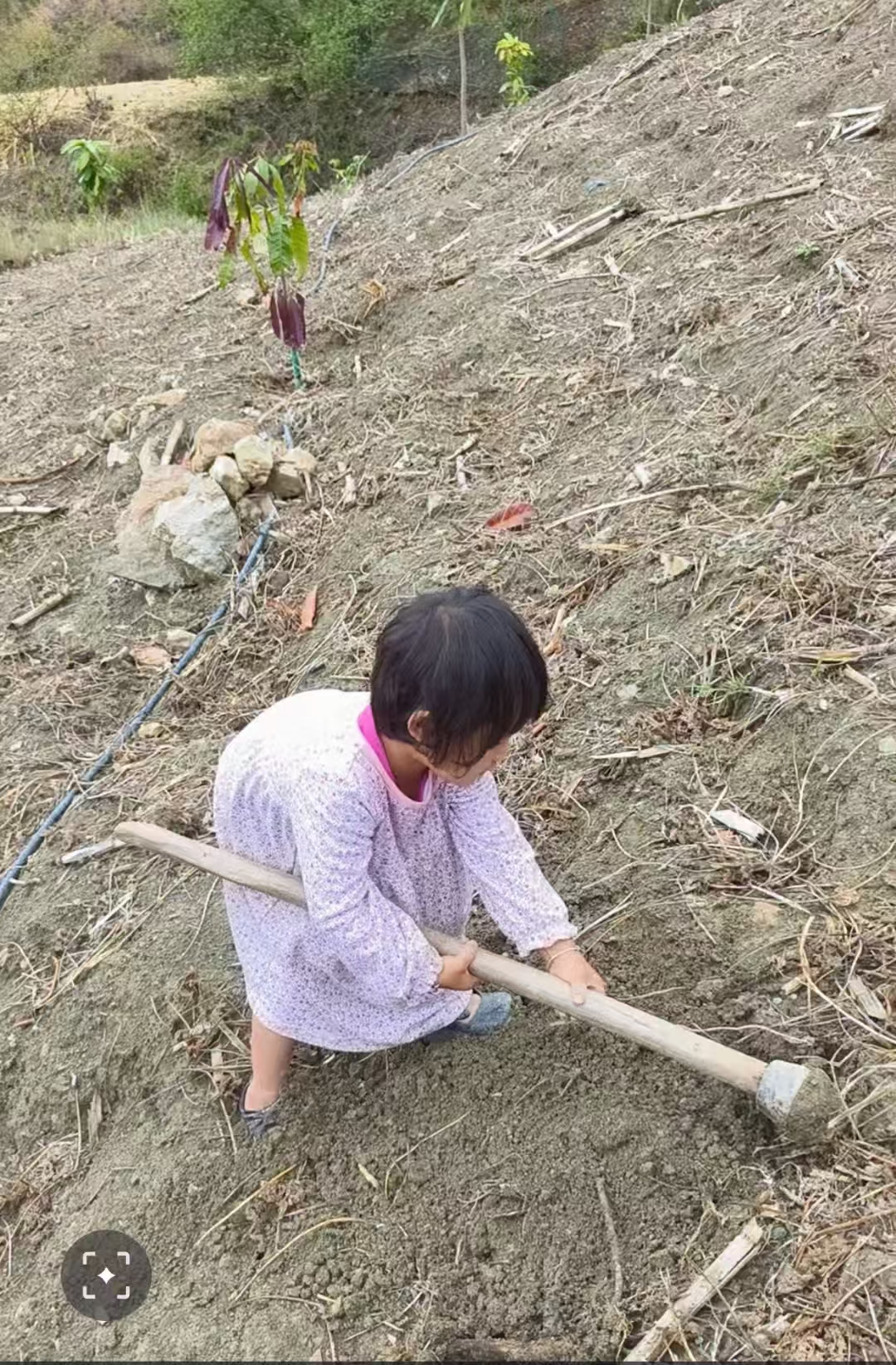
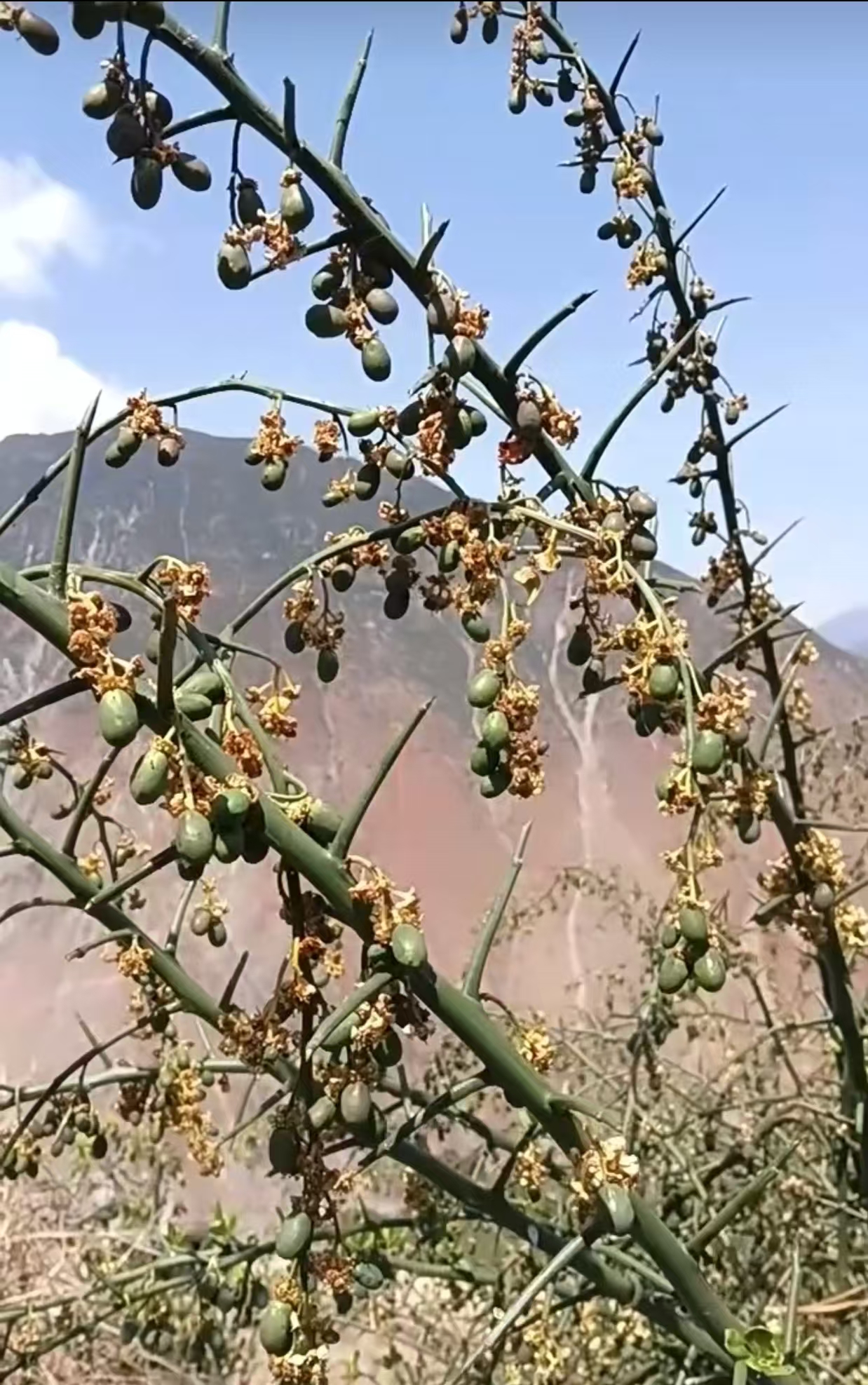
Prinsepia utilis Royle (Rosaceae) blooms in deep winter, bears small green drupes in spring, and ripens berry by berry into bright purple-red fruit. Cold-pressed, its seed oil is the local "treasure oil".
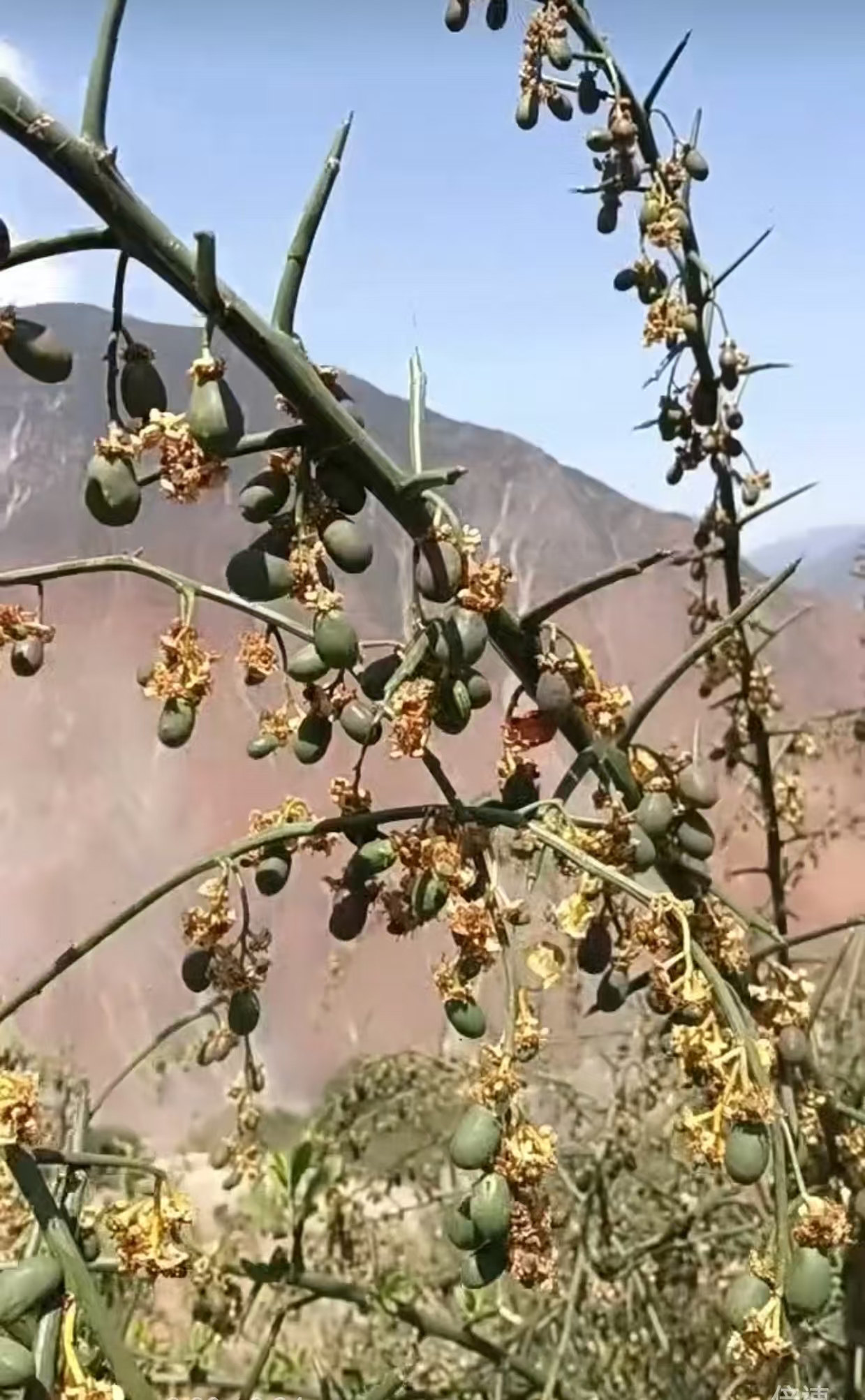
Identity at a glance
Family: Rosaceae · Genus Prinsepia
Species: Prinsepia utilis Royle, 1835
Local names: Qingci Guo, Qingci Jian
Used parts: fruit (pressed for oil), young shoots (food)
Evidence Snapshot
We do not blur tradition, in-vitro and human evidence
Every figure below is tagged with its source and evidence level (E0 tradition / E1 chemistry / E2 in-vitro / E3 animal / E4 human / E5 replicated). Full cards: Science & Evidence.
This is a snapshot. Verbatim data, DOIs and limitations are listed in the Evidence Centre.
From Plant to Ingredient
From one berry to one drop of oil
Hand harvest → peeling & spring-water washing → sun drying → cold pressing → batch records & testing (in progress) → product.
Hand harvest
Fruits ripen individually and are picked by hand in repeated passes (traditional method; formal harvest standards in development).
Initial processing
Peeling, washing in mountain spring water, sun drying — following the traditional sequence.
Cold pressing
Pressed into a clear oil and bottled away from light.
Batch & testing
Batch IDs and third-party testing records (acidity, peroxide value, microbiology) are being built.
Products · LIJIANG Prinsepia Series
The highland gift, in a bottle
Wild-harvested Prinsepia seed oil, compound essential oils and herbal derivatives. Claims in product literature are reproduced as brand material only — never as medical advice. See compliance notes on the products page.
Contact
Three roles, three doors
Researchers, buyers and media are all welcome to start the conversation from the origin.
Academic
Research cooperation
Species verification, sample supply, joint Evidence Cards and field surveys.
Business / B2B
Ingredient sourcing
Prinsepia seed oil, essential oils and farm produce; wholesale and samples.
Media / Story
Visual storytelling
Documentary and editorial access to the fields, people and seasons.